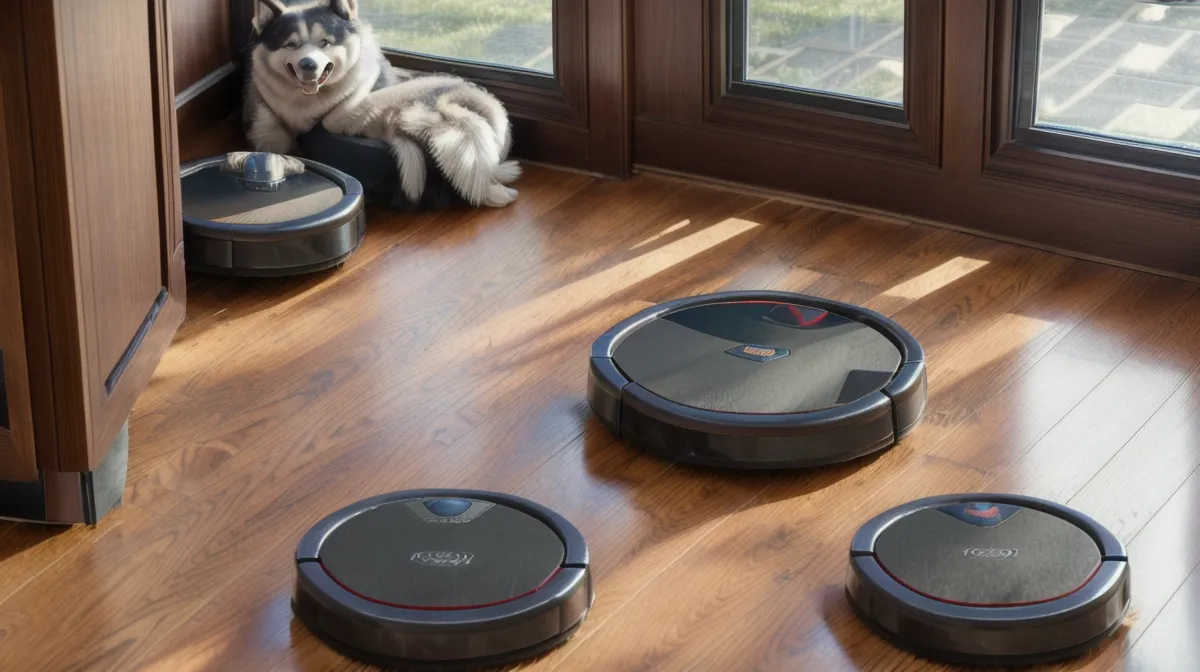
Murph shakes a fresh wave of undercoat loose mid-stride across the living room, and the LG CordZero is already rolling toward the drift before it settles on the floor. That's usually how the test starts around here — no warm-up, just a husky mix doing what huskies do to a floor and a robot vacuum proving, in real time, whether it can keep up with that much pet hair. Here's the myth I keep running into, in reader emails and comment sections alike: that the robot vacuum with the highest price tag and the longest feature list is automatically the best pick for a house with shedding dogs. It isn't. The dustbin tally says otherwise, and it's the whole reason my running spreadsheet of robot vacuum comparisons finally has a closed tab instead of six open ones.
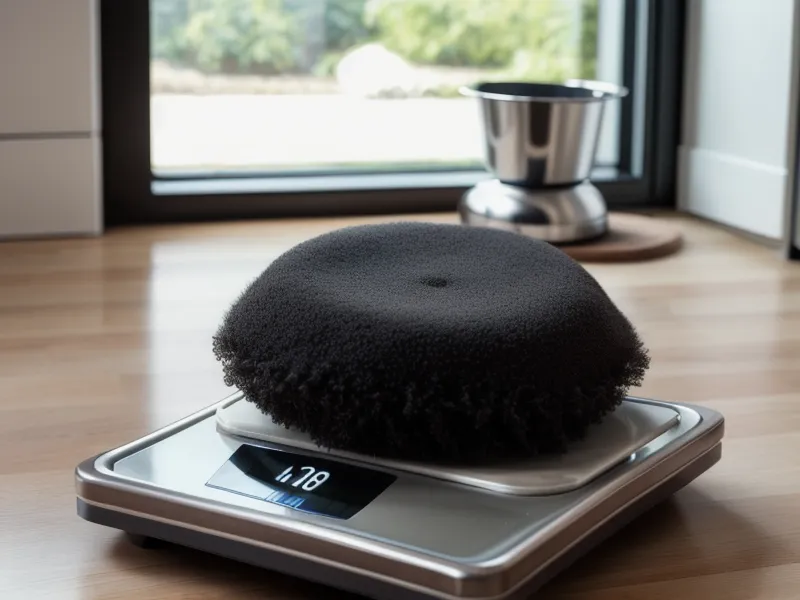
Quick disclosure before the case against spec sheets: some links below are affiliate links, and I get a small commission if you buy through one, at no extra cost to you. Every bot and purifier named here has actually lived in this house, and the numbers I quote come from my own kitchen scale, watching the display hunt between two readings for a second before it settles on a full bin's real weight, not a press kit.
Is the Priciest Robot Vacuum Really the Best Bet for Shedding Dogs?
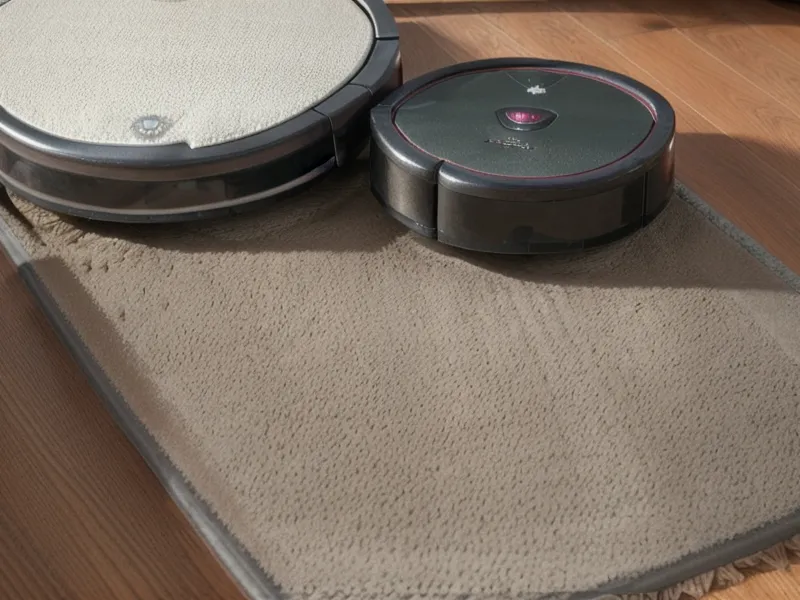
The myth survives because it sounds reasonable: more suction claims, more IoT features, a bigger number on the box, so obviously the bot handles more fur. A 1920s bungalow doesn't grade on that curve. Old plaster walls, a floor plan that predates smart-home anything, and a hallway that shifts from bare wood to a thick runner rug without warning are the actual test conditions, and no spec sheet mentions any of them. What decided things for me wasn't a side-by-side of suction numbers on paper. It was which bot held its performance steady across that hardwood-to-rug transition, run after run, without needing a manual reset every third day.
I ended up staring hardest at two finalists: the LG CordZero Robot and the Roborock S8 Pro Ultra, mostly because the ECOVACS app had already worn out its welcome. Six-step account wizard. Forced country selection before it would even show a floor map. I uninstalled that app twice before giving up on the brand for this round entirely.
The App Onboarding Gauntlet, Ranked From Bad to Somehow Worse
Unboxing the LG felt like the opposite of a scavenger hunt — no fourth account, no cloud ritual, just open the app and go. The Roborock S8 Pro Ultra sits at the other extreme: genuinely capable, but the settings menu reads like documentation for a tool nobody asked me to learn. Sam, reading over my shoulder while I dug through nested menus hunting for a basic schedule toggle, summed it up fast: "This feels like filing taxes."
One Roborock trick did earn its keep, though — the mop pad lifts on its own the second it senses a thick rug, which is the kind of judgment call that matters more than a suction number ever will. Whether a mop function is worth the trade-off against straight vacuum performance is its own argument I won't settle here. Sam clocked the mop-lift trick too. "Okay, that's actually smart," he said, which isn't a sentence he hands out for free about any of these bots. And whether a brush roll can really stay tangle-free the way marketing promises, versus how it behaves after real runs with two shedding dogs, is a question I picked apart in full in the Tracking Tally: Finding the Best Robot Vacuum for a Two-Dog Household After My Old Roomba Died.
A 3 A.M. Detector Ping With Nothing to Do With Any Vacuum
None of this fur-and-suction drama explains why I was standing in the hallway at three in the morning staring at an X-Sense Smart Smoke and CO Detector that had just gone off over a candle sitting cold and unlit on the shelf. Pairing that thing had already failed twice because I hadn't dropped my router to the 2.4GHz band — old plaster and lath eat a 5GHz signal for breakfast in a house this age, which no glossy manual mentions until you're standing in a dark hallway troubleshooting a hub instead of sleeping. Whether that alarm should even be linked to its sibling units elsewhere in the house, or mounted somewhere else entirely, are both separate rabbit holes I've gone down elsewhere.
The vacuums stayed relevant to that story in one way — while they fight fur on the ground, we run a PuroAir HEPA 14 Air Purifier to catch what Murph kicks into the air, and it runs a true HEPA 14 filter, one grade up from what most big-box purifiers ship with. What that grade rating actually buys you is a longer conversation I've had in full elsewhere. Sleep mode is the part that sold me: my phone's NIOSH sound-level app read 28 dB three feet away, which is quieter than the house itself at night. For the airborne side of managing all this fur, I wrote up the whole picture in my Shed-Heavy Household Survival Guide.
Suction Numbers Fall Apart on the Rug Transition
Back to the bots, because suction specs are where the myth really falls apart. The iRobot Roomba j7+ has real brand recognition and a pet-waste-avoidance feature that actually worked the one time Beans lost a midnight argument with a Greenie — full story lives in a separate piece, not this one. What the spec sheet won't tell you is that its dustbin is noticeably smaller than the LG's for the same square footage, or that its app nags about a Premium subscription every couple of weeks even after you've said no twice. Reginald, two doors down and retired from decades of HVAC work, has an ear for machinery most people don't — he was the one who mentioned, from the sidewalk, that the CordZero's motor pitch had changed days before I noticed the brush roll actually needed its first real unwinding.
I did try one workaround that flopped completely: switching to a bagged model on the theory that emptying a bag beats emptying a bin. The replacement filters for that thing ended up costing more per month than the bot itself, which taught me to price out total cost of ownership before falling for a cleaner unboxing experience. The full math on filter costs across every bot and purifier I've run lives in its own breakdown, but the short version is that a bagged system is rarely the deal it looks like on day one.
None of that is why the LG stuck around, though it did make me stricter about how I read a spec sheet afterward. The CordZero's three-stage suction held up across the hardwood and a stubborn high-pile bedroom rug without tangling into a dead stop, and the brush roll only needs that manual unwinding after roughly ten runs instead of every few days. Its auto-empty dock makes one specific sound — a heavy, final thunk when it seals shut after clearing the bin — and in a two-dog house that sound means one less chore on a week that already has plenty. The Roomba i3 that started my running tally took a header down our basement stairs years ago, long before I had any real testing process, and whether a bot's cliff sensors can actually be trusted on an open stairwell is a question I chase in a lot more depth in my Two Dogs and a Bungalow Stress Test.
So What Actually Wins?
A reader named Fabiola emailed after one of my long-term write-ups asking almost exactly the question that started this whole spreadsheet: does paying more and getting a longer feature list guarantee the better bot. It doesn't, and the rule I'd actually hand her is simple — judge a bot on whether it holds its performance across your worst floor transition and whether the maintenance it demands is something you'll realistically keep up with, not on how many bullet points are printed on the box. That's the whole case for the LG CordZero Robot in this house: it's not the cheapest option and it's not the one with the flashiest app, but it's the one that keeps clearing Indiana mud and husky tumbleweeds without needing a babysitter, and that's the only spec sheet that has ever mattered here.