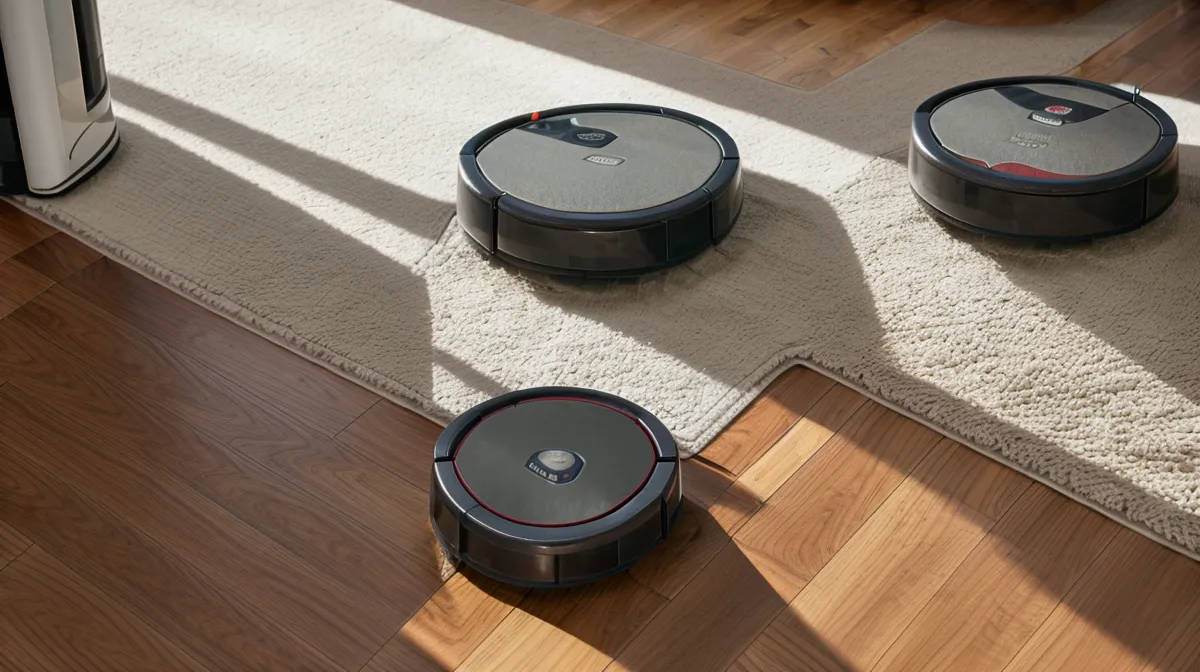
A generic replacement part turned my Roborock S8 Pro Ultra into something that wheezed instead of hummed.
Quick disclosure up front: some of the links on this page, including the ones pointing at the Roborock S8 Pro Ultra, are affiliate links, and I earn a commission if you buy through them at no extra cost to you. Every part mentioned here has actually run through my own bot — I weigh dustbins on a kitchen scale for the dustbin tally, and I wanted to know what a cut-rate filter kit was really costing me in performance before I recommended anything.
The Myth That Generic Parts Perform Just as Well
The idea floating around most marketplace listings is that a "compatible" or "for Roborock" part performs the same as the OEM version, just without the brand markup. I believed that for exactly one filter change. Before I trusted the robot to handle the basement stairs on its own, I'd tried keeping a handheld Dyson staged down there for manual spot runs — that habit fizzled fast, because a handheld only gets used when somebody remembers to grab it, and nobody remembers when it actually counts. So when the maintenance dashboard flagged the brushes and filters as due, I wanted a fix that would actually hold, not just look right in a listing photo. That's Roborock maintenance in a sentence: the part is either genuine or it's a problem waiting to show up later.
My neighbor Reginald, a few houses down, spent decades in HVAC before he retired, and he's usually the one who translates a weird mechanical noise for me before I've figured out what's wrong myself. I'd bought a bargain "compatible" kit off a marketplace listing that looked identical to the real thing in the product photos, figured a filter is a filter, and swapped it in the next time the app nagged me. The whistle started almost immediately — that same strained, gasping sound I couldn't place at first.
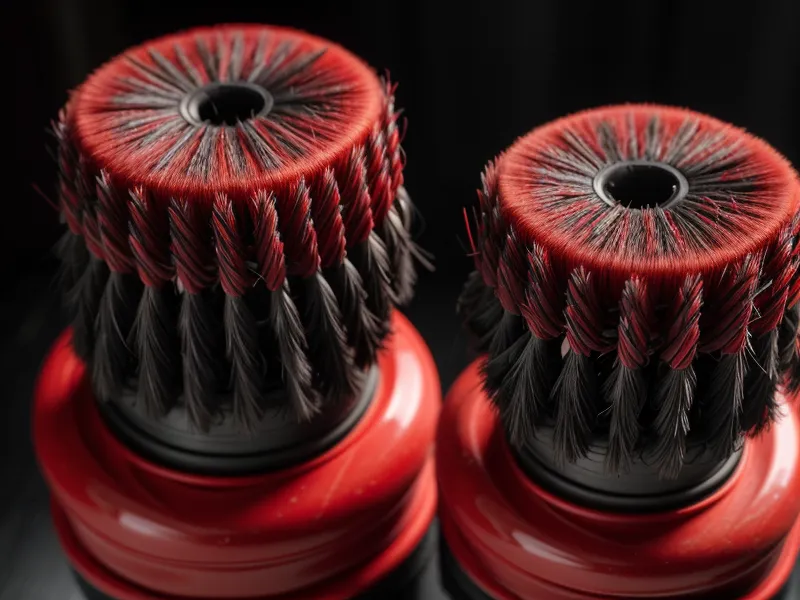
Genuine Roborock filters are coated to hold up under that kind of airflow — there's a Teflon layer doing the work — while the knockoff in my bin was just plain paper, a little too thick for the housing it was cut for. Pull 6000Pa of suction through paper that dense and the motor works harder than it's built to, which is exactly the noise that sent Beans off to hide somewhere quieter than the living room.
Humidity and Fake Parts
Indianapolis humidity is nothing compared to what people in coastal, high-salt-air climates deal with, based on what I've read digging through owner forums for those regions. Salt air works on robot components the way it works on anything metal left outside — slowly, and worse than you'd expect — and cheap third-party parts tend to fold faster under that kind of exposure because they skip the corrosion-resistant materials the OEM versions use. Even in a merely humid Midwest stretch, I noticed the knockoff mop pads didn't vibrate the way they were supposed to. The S8 Pro Ultra's pads are rated to hit 3000 scrubbing passes a minute, and the fake ones had just enough Velcro-tension difference that they never really got there — you'd get a damp rag dragged across the floor instead of an actual scrub.
The Official Channels for Real Parts
Searching "Roborock S8 Pro Ultra filter" on any big marketplace buries the actual brand under dozens of "for Roborock" and "compatible with" listings before you hit anything genuine, and the search ranking doesn't care which one is real. The easiest fix, roughly in order of how much I trust it: the official Roborock storefront on Amazon, provided the "Sold by" field actually says Roborock or Amazon.com and the box shows up with its holographic seal intact; Roborock's own site directly, which ships slower but rules out a returned counterfeit entirely; and, in a pinch, Target or Best Buy, which stock the basic kits and don't hand the listing over to third-party marketplace sellers.
Compared with something like the iRobot Roomba j7+, this is the single biggest trade-off between the two ecosystems. Roomba bags show up at nearly any big-box store without a second thought. The S8 Pro Ultra asks you to be more deliberate about where you buy, every time. It's the same logic I've laid out before around when to replace PuroAir HEPA 14 filters in a multi dog home — don't wait until the machine is audibly struggling to have a backup on hand.
Spotting a Fake Before It Wrecks the Motor
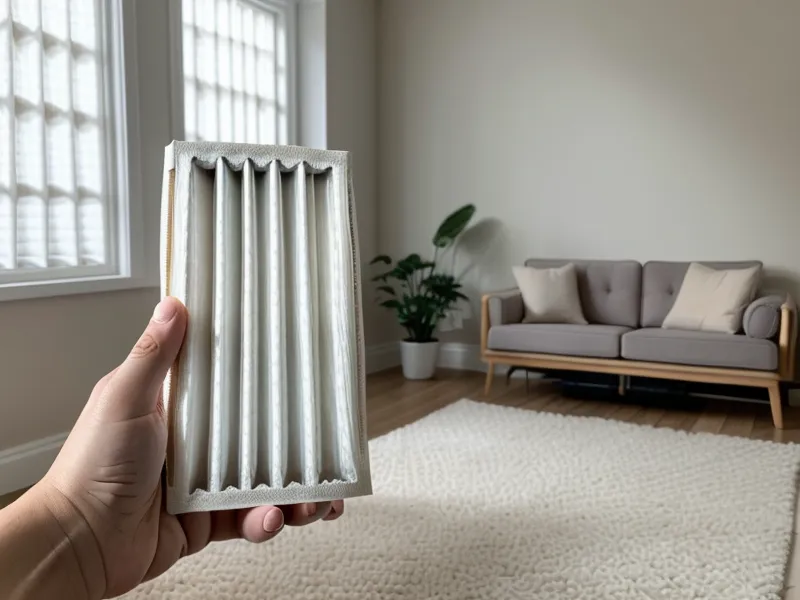
If you already own a kit and you're second-guessing it, check the rollers first. The S8 Pro Ultra runs a dual rubber brush system that has to line up just right to stay in sync, and a knockoff can be off by less than a millimeter and still throw the whole thing out of rhythm — you'll hear it as a rhythmic thump on hardwood before you see anything wrong. Sam noticed the thumping before I did. "Is the robot having a heart attack?" he asked, mid-meeting, loud enough that I had to mute myself. I ended up digging the old, hair-clogged genuine rollers back out of a drawer just to make the noise stop — a dirty OEM part still beat a brand-new fake. Saving a little on a machine that isn't cheap to begin with is a bad trade every time.
When the noise itself is the real dealbreaker regardless of which parts are in there, that's a separate rabbit hole — I've written about choosing a quiet robot vacuum for a busy home office environment elsewhere. Most of the time, though, when an S8 gets loud, it's not a design flaw. It's a maintenance flag going off exactly when it should.
What the Dustbin Tally Shows
The dustbin tally backs this up in a way that's hard to argue with: when I run genuine filters, the weight of what's collected per run consistently lands 15 to 20 percent higher than it does with the generics. That gap is Murph's dander either staying trapped in the bin or drifting back into the air we're breathing. The PuroAir HEPA 14 Air Purifier we run nearby catches some of what escapes, and the same logic applies to that machine — a true HEPA 14 rating only means something if you're not cheaping out on the replacement filter behind it.
It's the same gut check no matter which corner of this hobby you're in — how much a dustbin can actually hold before you're emptying it daily, whether the mapping holds up on a weird floor plan, whether you're trading suction for battery life or the other way around, whether a mop function is worth the extra noise over a vacuum-only pass, whether thick carpet gets an actual deep clean or just a surface pass. It shows up when you're checking whether a bot swerves around what a dog left on the floor instead of smearing it, whether it dodges a stray toy instead of dragging it under the couch, whether it can squeeze under a low sectional without getting stuck there for an hour, whether the rollers actually resist tangling in fur or just delay it, whether a rug edge is going to eat the bot mid-run, whether a cliff sensor catches a stair drop reliably enough to trust unsupervised, how a decibel reading on paper compares to how loud the thing actually feels in the room at night, whether a purifier is placed where it can pull air instead of decorating a corner, or whether smoke detectors are positioned — and interconnected — the way an older two-story house actually needs. None of that is brand loyalty. It's just smart home upkeep: check whether the thing marketed to solve a problem is actually built to solve it.
One more thing worth knowing before you're stuck: the Roborock companion app wants your email before it'll even show you a single room map, which tells you a lot about whose priorities the onboarding flow actually serves. Most of these devices, including the X-Sense Smart Smoke and CO Detector we eventually added to the same network, strictly need 2.4GHz Wi-Fi to pair — if your router is broadcasting 5GHz-only, the setup flow will make you want to pitch your phone down the same basement stairs that took out an earlier Roomba i3 of ours.
A reader named Fabiola emailed me after one of my long-term reviews went up, asking whether a replacement kit she'd found for her own machine was legitimate or just dressed up to look that way. That question is basically the whole article: the packaging almost never tells you the truth, and by the time the motor does, you've already paid for the mistake twice.
The rule I'd give anyone asking, Fabiola included: buy from the manufacturer's own storefront or site first, check the seller field before checking out, and treat a steep discount on parts as a red flag rather than a win. Your 6000Pa of suction, and your dog's ears, will hold up a lot longer for it. If you're comparing prices on the bot itself or the official parts kits, the current listing for the Roborock S8 Pro Ultra here is the place I'd start.