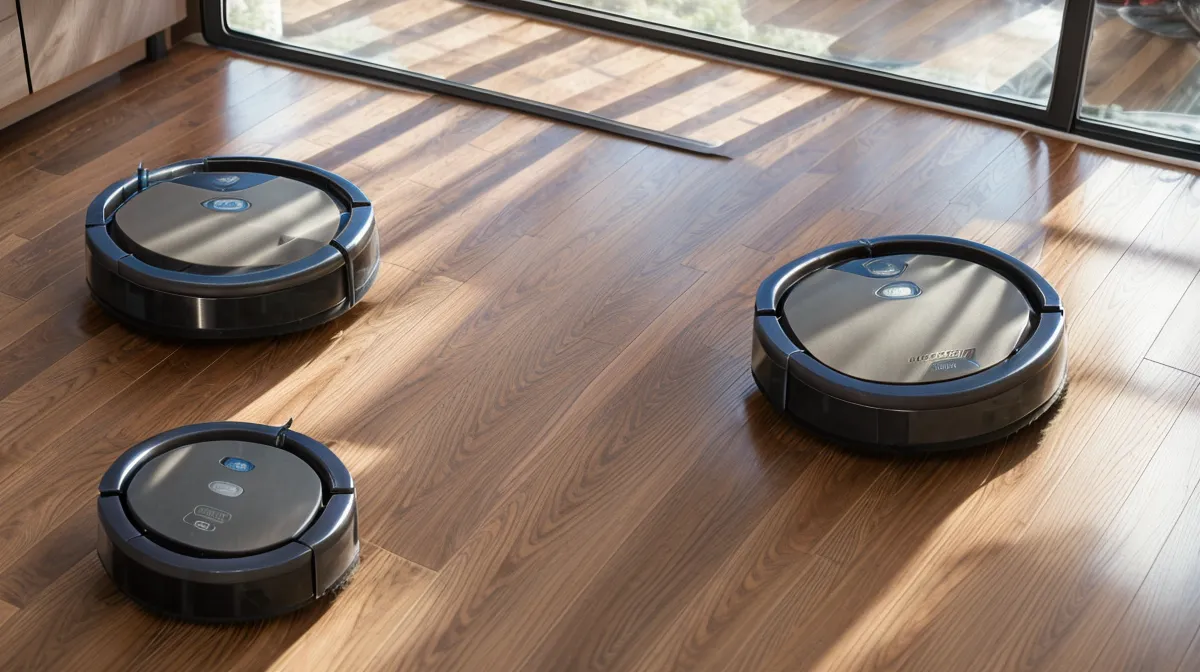
The PuroAir's grille is inches from my face and the NIOSH app on my phone still won't settle below 68 decibels, even though the box promised something closer to library-quiet for an air purifier built to strip pet dander out of a house with two shedding dogs. The number on the spec sheet said 28 decibels. The number on my phone, standing over the hallway runner with the unit cranked to High, said 68; that gap is the whole point of this review.
Quick disclosure before the rest of this: the robot vacuum brands, detectors, and air purifiers I link below pay me a commission if you buy through the link, at no extra cost to you — that's how the dustbin tally stays funded. What follows is the same read I'd give a friend regardless of which links get clicked.
The Decibel Number on the Box Isn't the Whole Story
Here's the assumption that gets people in trouble: a lower decibel rating on the spec sheet means a quieter machine, full stop, in every mode it has. The PuroAir HEPA 14 breaks that assumption in about ten minutes of actual use, and that's really what this whole review is about: not whether the filter is good, but what a "medical-grade" rating actually costs you in noise once you need the unit doing real work.
Before this one showed up, I was already running the LG CordZero Robot daily just to keep the floors under Murph's shedding, and the air in the bungalow was still thick enough that Sam started sneezing through movie nights. That's what pushed me toward the PuroAir HEPA 14 Air Purifier — the HEPA 14 grade is a step up from the HEPA 13 filters in most consumer units, and I've broken down what that grade difference actually buys you in a separate review, so I won't re-litigate it here.
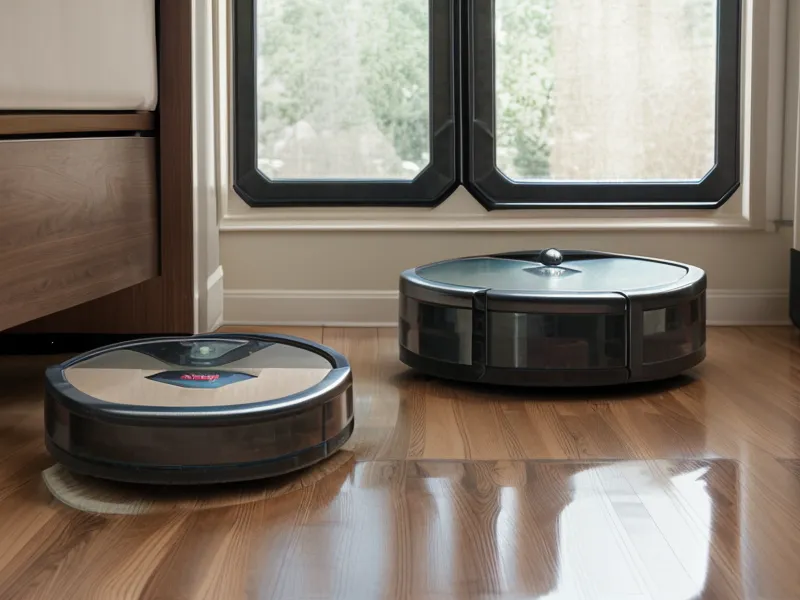
Why Can't a Denser HEPA 14 Filter Stay Quiet at Full Speed?
A denser filter means smaller gaps for air to squeeze through, and squeezing more air through a smaller gap takes more fan speed, not less. That's the mechanical trade nobody puts on the front of the box: the same density that catches finer dander also means the fan has to push harder to move any real volume of air, and a harder-working fan is a louder fan. It isn't a defect. It's physics wearing a marketing label.
Build quality gave me the same lesson from a different angle. The plastic on the PuroAir feels noticeably cheaper than the iRobot Roomba j7+ or the LG, which was surprising given the price, but it's light enough to carry up from the basement without a second thought. Setup went fine until Wi-Fi; like the X-Sense Smart Smoke and CO Detector, this unit refuses a 5GHz network and wants 2.4GHz specifically, so budget five annoyed minutes of router settings before the app even sees the thing. Once it paired, I checked the sleep-mode claim with the NIOSH app and the reading held right at 28 decibel, standing a few feet off — quiet enough that Sam looked up from the couch and asked if it was even running.
Sleep Mode vs. High: What the NIOSH App Actually Caught
Sleep mode is the one the manufacturer wants quoted. High is the one that actually solves a problem, and it's a completely different machine. Cranked up in the bedroom, the PuroAir stops being a background appliance and turns into a wall of moving air, which, it turns out, is exactly what drowns out a diesel engine idling outside a house with windows this thin. That's the reading I opened with: 28 on the box, 68 standing over the hall runner with the unit on High, and the second number is the one that actually matters if traffic noise is why you're looking at this thing at all.
Two rooms over, the vacuum's dock lets out its own short, sharp suction pulse as it empties itself for the night, and for a second I genuinely can't tell which machine in the house is being louder. None of this makes the PuroAir bad at its main job — it earns that HEPA 14 label by pulling dander that used to just settle on the baseboards before the Roborock S8 Pro Ultra got anywhere near it, and Murph produces enough of that fur that the difference shows up fast after a walk around Garfield Park Conservatory. I've written more about that side of it in my Best Air Purifier for Beagle Dander and Allergies in Older Homes piece.
What didn't work was trying to solve the dander problem with the vacuum alone. Running it twice a day to keep pace with Murph's shedding sounded reasonable until the brush roll gave out after six weeks, tangled past the point of unwinding. An air purifier and a vacuum are catching two different kinds of mess, and no amount of extra vacuum passes fixes what's floating instead of settled. Yusuf, my neighbor across the alley, has tile floors and exactly one short-haired cat, and when he asked if he needed something this aggressive for that little dander, the honest answer was no — the HEPA 14 jump matters most in a fur-heavy, rug-heavy house like mine, not his.
Expect the App to Disappoint You
The companion app is a skeleton wearing a settings menu. There's no weekly schedule, no way to tell it to ramp up at a set time and drop back to sleep mode later; it's just a basic countdown timer you reset by hand every time the dogs come in from a walk covered in whatever is blooming that week. Compared to the onboarding on the LG CordZero Robot, which walks you through setup with something close to actual care, the PuroAir app feels like it shipped before anyone user-tested it once.
That gap matters more than it should. A vacuum that maps a floor and skips a sleeping dog's doorway is table stakes now, so an air purifier that can't follow a clock feels like a step backward, not a quirk. I still toggle it by hand every single time, and I've made peace with that being the actual cost of the filter, not a bug waiting on a firmware update.
How It Stacks Up Against the Robot Vacs and the Detector
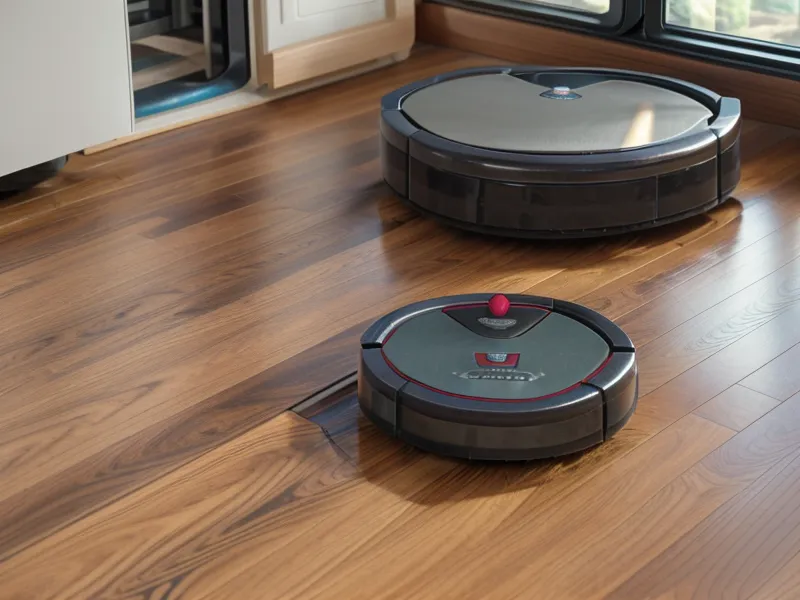
None of this happens in a vacuum, so here's where the PuroAir sits next to the other gear in this house. How much fuzz a vacuum's own bin holds before it needs dumping is a different spreadsheet I keep elsewhere, and whether a bot maps this floor plan correctly on the first pass or the third is its own argument for a different post. The suction-versus-battery-life trade-off is basically the LG's whole personality, and whether a mop function is worth giving up some straight suction is a fight I've had in detail comparing other bots, not this purifier. The Roomba's whole reason for existing in this house is dodging what Beans leaves on the floor before anyone steps in it, a story that deserves its own post more than a paragraph here. Where you actually mount the X-Sense detector in a two-story place like ours is a separate debate too; it's worth knowing none of these boxes solve the same problem, which is exactly why I keep all of them running.
| Feature | PuroAir HEPA 14 | LG CordZero Robot | Roborock S8 Pro Ultra |
|---|---|---|---|
| Primary Function | Air Purification (HEPA 14) | Robot Vacuum (Hardwood/Rug) | Robot Vacuum & Mop | Noise Floor | 28 dB (Sleep Mode) | Moderate Suction Noise | Varies (Mop is quiet) | App UX | Basic Timer (No Scheduling) | Highly Intuitive Onboarding | Feature-Dense / Learning Curve | Pet Performance | Excellent Dander Capture | Great for Daily Maintenance | Self-Cleaning Mop Success |
Where you physically put the PuroAir in the room changes more of this than the spec sheet admits, which is its own conversation I won't open here. I get into more of the day-to-day dust angle in my PuroAir HEPA 14 Review for Managing Dust in a Craftsman Bungalow piece, if the acoustics side isn't your main question.
Is It Worth Buying for the Air Alone?
Buy the PuroAir HEPA 14 for the filter, not the software, and you'll be glad you did. That's the correction to the myth this whole review started with: a purifier's real value isn't the one decibel number stamped on the box, it's whether the machine can go loud enough to solve your actual problem once the marketing-quiet mode isn't enough, and whether you're willing to run it by hand since the app won't do it for you. In an older house with thin walls and a rotating cast of shedding dogs, that trade is worth making. For the floors, the LG CordZero still does the heavy lifting; for the air, I'm keeping the medical-grade unit even though I have to press the button myself every night.
If husky glitter and a truck idling outside your window are both problems you're trying to solve at once, grab the PuroAir here — just go in knowing the manual timer is part of the deal, not a bug you're waiting to get patched.